Which Investigator Certification Teaches Surveillance Best? Investigator Surveillance Training Compared
Compare investigator surveillance training by field practice, assessment, CE, cost, and real-world fit for working private investigators.
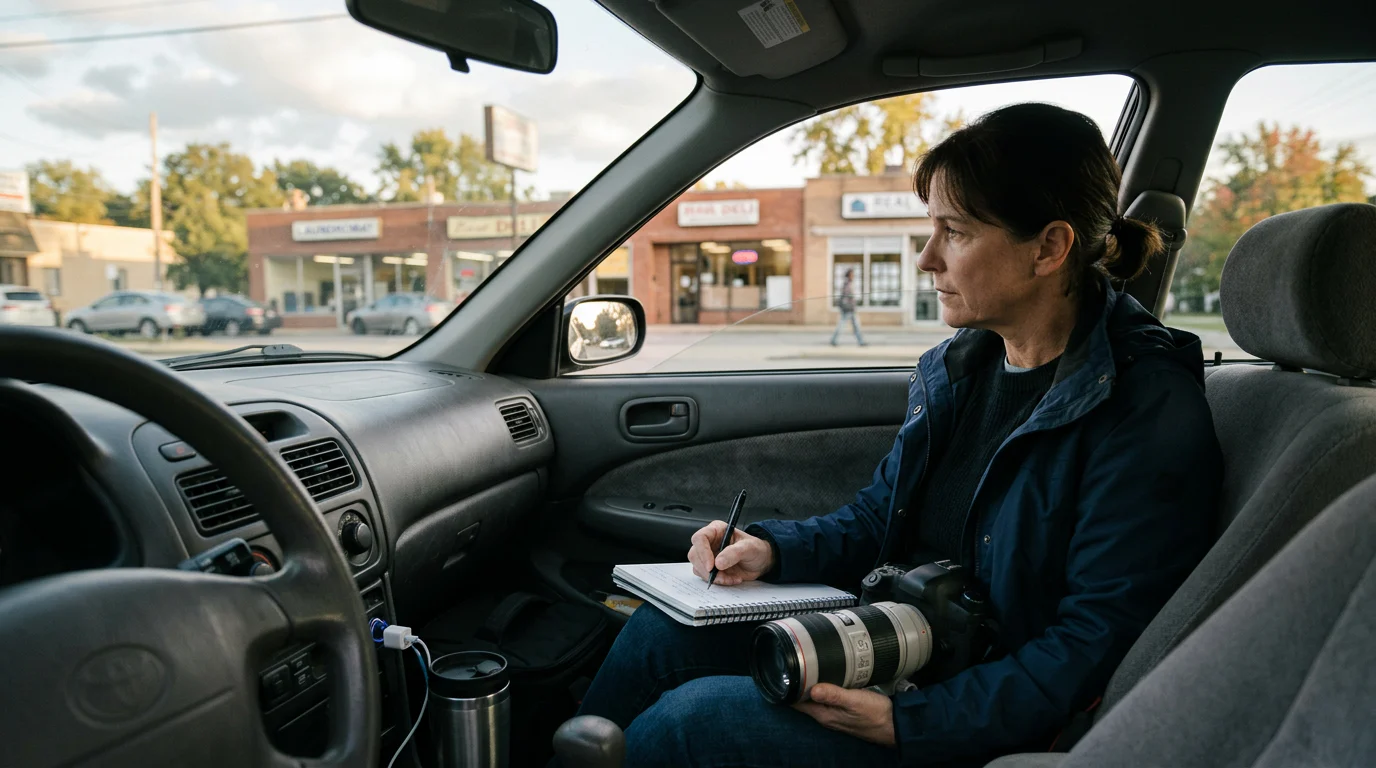
Working PIs need more than a certificate with “surveillance” in its name. For context, Florida’s PI-intern curriculum assigns three hours specifically to surveillance, alongside separate instruction in reports, equipment, legal issues, and a written examination.
The best investigator surveillance training is the program whose practice matches the task. Online study can build planning, legal judgment, equipment choice, logs, photographs, and reports. Coached field work is better for vehicle and foot surveillance, team communication, detection awareness, and split-second decisions. A certificate, CE credit, license, and demonstrated competence are separate outcomes.
We compare the evidence a working investigator should demand, the skills each delivery format can realistically assess, and the route that fits a particular surveillance gap. For a wider way to prioritize skills, see our career courses.
Which Certifications Actually Teach Surveillance Skills?
A credential title does not tell us whether a learner planned an operation, completed a lawful observation, wrote a usable report, or simply passed a knowledge check. We compare programs by their published curriculum, practice format, and assessment method, not by broad claims of recognition.
| Provider / Program Type | Credential Type | Surveillance Topics | Delivery Mode | Field Practice | Assessment | Eligibility | CE Status | Renewal Requirement | Duration | Verified Price |
|---|---|---|---|---|---|---|---|---|---|---|
| Florida PI-Intern Curriculum | Licensing education | Planning, precautions, techniques, vehicle work, photography, notes, reports | Approved-school delivery varies | Not set by the curriculum alone | 170 questions, 75% passing score | Florida PI-intern route | Licensing curriculum | Separate license rules apply | 3 surveillance hours | Not published by regulator |
| Virginia PI Entry Standard | Licensing education | Surveillance, legal privacy, documentation, photography, communications | Approved-provider delivery | Required practical exercises across the curriculum | Written comprehensive exam | Virginia entry route | Licensing education | Separate license rules apply | 60 hours, excluding exam and exercises | Provider-specific |
| Association Tactical Course | Course completion | Planning, static, mobile, foot, freeway, communications, equipment | Classroom plus live practice | Yes | Public pass/fail method not stated | Officer-focused | 16 law-enforcement credit hours | None published | 2 days | $550 |
| Association Advanced Course | Course completion | Mobile, static, foot, multi-mode, communications, counter-surveillance awareness | Live scenarios | Yes | Instructor after-action reviews | Prior experience required | No PI CE approval documented | None published | 5 days | $1,200 plus $30 membership |
| Public-Safety Physical Surveillance Course | Course completion | Covert physical surveillance and operational decision-making | Classroom plus field exercises | Yes | Public pass/fail method not stated | Detectives and specialty units | No PI CE approval documented | None published | 32 hours | $675, with travel and lodging extra |
The public standards are useful benchmarks. Virginia requires 60 instructional hours, practical exercises, and a comprehensive exam, but working investigators should still verify a specific provider’s schedule, price, and state approval against the Virginia standard.
Read the Assessment Column First
“Field practice” means more when the provider explains what an instructor observes and how performance is judged. A vehicle exercise without feedback can expose learners to the setting. It does not necessarily establish reliable vehicle handling, communications, note-taking, or decision-making.
For training focused on actual performance, compare the published tasks to the work you need to improve. Our field formats guide helps separate knowledge delivery from coached operational practice.
Compare the Total Cost
Tuition is only one part of a field course. A published listing may require travel, lodging, an unmarked vehicle, communications equipment, binoculars, membership, or time away from billable work. Treat “verified price” as the listed course price, then calculate the full commitment before enrolling.
Treat Suitability as a Requirement
Some of the most detailed surveillance scenarios are designed for law-enforcement personnel, not independent investigators. We would not treat that format as a recommendation for a PI until its eligibility, legal relevance, safety requirements, and acceptance of private investigators are confirmed.

What Do Certificate, Certification, Licensing Education, and CE Mean?
These labels describe different outcomes. A completion certificate can show attendance, while an assessment-based certificate can show that the learner met objectives for one course. Neither automatically creates a professional designation, grants a license, or proves field competence.
The credentialing guidance distinguishes a course-linked assessment-based certificate from certification, which evaluates predetermined competency standards rather than mastery of one particular class.
| Outcome | What It Can Show | What It Does Not Automatically Show |
|---|---|---|
| Course-Completion Certificate | Attendance or course completion | Competence, state approval, or license eligibility |
| Assessment-Based Certificate | Mastery of stated course objectives | Independent professional certification or field proficiency |
| Voluntary Professional Certification | An issuer’s competency standard and assessment | Permission to practice in every jurisdiction |
| Licensing Education | Completion of a jurisdiction-required training path | Transferability to another state |
| Continuing-Education Credit | Hours accepted toward a stated renewal rule | Skill assessment or broad employer recognition |
CE credit is equally specific. South Carolina, for example, requires 12 approved hours every 24 months, including four hours presented or specifically approved by the agency. Check your own regulator first, then use our state CE guide to organize the evidence you need to retain.
How Should You Compare Investigator Surveillance Training?
The right choice starts with the skill gap, not the delivery label. A PI improving report quality needs a different learning environment than a PI who needs practice managing vehicle transitions, radio discipline, and detection awareness.
Score the Ten Surveillance Skills
Use this scorecard when a provider publishes enough evidence to be assessed. “Can assess” means the format can realistically observe the skill when the provider includes a meaningful exercise and review process.
| Skill | Self-Paced Online | Live Online Or Classroom | Field-Coached Scenario | Best Evidence To Request |
|---|---|---|---|---|
| Planning | Can assess knowledge | Can assess briefing work | Can assess real planning | Written plan and instructor feedback |
| Legal Boundaries | Can assess knowledge | Can assess case analysis | Can assess decisions in context | Jurisdiction-specific scenarios |
| Stationary Observation | Explains method | Role-play possible | Strong fit | Observed exercise |
| Mobile Surveillance | Explains method | Limited simulation | Strong fit | Vehicle scenario and review |
| Foot Surveillance | Explains method | Limited simulation | Strong fit | Movement exercise and feedback |
| Photography | Can assess selection principles | Can review samples | Strong fit | Submitted image set and rationale |
| Communications | Explains protocols | Role-play possible | Strong fit | Team exercise and debrief |
| Counter-Surveillance Awareness | Explains indicators | Case analysis possible | Strong fit | Scenario decisions and feedback |
| Logs | Can assess written work | Strong fit | Strong fit | Reviewed time-stamped log |
| Reports | Can assess written work | Strong fit | Strong fit | Marked report and revision feedback |
Use a Weighted Selection Rubric
We assign these weights for working PIs, based on the practical goal of conducting better surveillance work: practical exercises, 30%; legal relevance, 20%; feedback quality, 15%; documentation skills, 15%; scheduling fit, 10%; and credential utility, 10%.
A course should lose points when it does not publish a syllabus, instructor background, hours, assessment method, renewal terms, or the approval needed for your jurisdiction. For a broader review of how training translates into work, see our practical skills resource.
Watch for Verification Red Flags
- Unclear accreditor language: Ask for the accreditor’s name, scope, and a public verification path.
- Government-recognition claims: Confirm the claim with the relevant regulator or employer, not the course seller.
- No published curriculum: Do not assume a broad title covers mobile work, reports, or legal limits.
- No practical assessment: Treat the program as instruction, not proof of field competence.
- Hidden renewal fees: Check membership, extensions, recertification, travel, and equipment costs.
The two-day association course in the comparison table documents live practice and 16 law-enforcement credit hours, but that is not the same as PI CE approval. Compare its listed requirements with your licensing obligations before treating any credit as renewal-ready.
Which Training Path Fits a Working PI?
No single credential is best for every investigator. The better recommendation depends on whether you are entering the field, correcting a documentation weakness, developing movement skills, or seeking a credential with a defined external use. For broader renewal planning, compare our CE alternatives before enrolling.
Beginners Needing a Foundation
Start with the licensing route required where you will work. Then add supervised practice after you understand legal boundaries, observation planning, photography, logs, and reports. A written test can establish knowledge retention, but it cannot replace exposure to changing operational conditions.
Active PIs Improving Reports
Choose instruction that requires a completed log, selected images, a chronological report, and instructor feedback. Online study can be a sensible fit here because the work product can be submitted, reviewed, and revised without travel.
Investigators Needing Field Practice
Prioritize documented vehicle or foot scenarios, named instructor feedback, clear safety expectations, and a published eligibility policy. A current physical-surveillance listing describes 32 hours of classroom and realistic field exercises for $675, while placing meals, travel, and lodging on the attendee. Review the course costs before comparing it with lower-cost online options.
Candidates Seeking a Recognizable Credential
Verify whether the credential is a course certificate, independent certification, licensing education, or CE record. Then verify its renewal rule and whether a regulator or employer actually accepts it for the purpose you have in mind. Our surveillance options page can help turn that verification into a practical next-step plan.
How Learningshopusa Helps Working Investigators Choose Training
At Learningshopusa, we build training for working investigators who need a clear record of what a course covers before they commit time or money. Our approach starts with the job task: planning a lawful observation, keeping usable notes, selecting images, and writing a report a client can follow. We do not treat an online completion record as proof that someone has mastered moving surveillance. Instead, we help readers match self-paced learning to knowledge and documentation goals, then identify when supervised field practice is the safer next step. If continuing-education credit matters, we encourage investigators to verify approval against their own license before enrolling and to retain every completion record. We use that comparison-first habit to protect the quality of our work and the credibility of every record we issue. Explore our current investigator learning paths, course details, and practical-fit guidance at our homepage.
FAQs on Investigator Surveillance Training
Working PIs should match the course format to the skill they must demonstrate, then save verifiable records of curriculum, assessment, price, and approval.
Which Investigator Certification Teaches Surveillance Skills?
A credential can signal completed education or an independently assessed standard, but neither alone proves surveillance competence. Look for documented exercises, feedback, and assessment tied to the tasks you perform.
Which Professional Investigation Training Is Best for Surveillance Skills?
The best option matches your gap: online for planning and reports, instructor-led work for feedback, and field-coached scenarios for mobile surveillance, communications, foot work, and detection awareness.
Is Online Surveillance Training Enough for a Working PI?
Online learning can strengthen planning, legal boundaries, equipment choice, logs, photography, and report writing. Working PIs should add supervised practice when improving mobile, foot, communication, or detection-awareness skills.
How Should Surveillance Training Programs Be Compared?
Compare the curriculum, instructor qualifications, practical exercises, assessment, eligibility, local CE approval, renewal obligations, tuition, travel, equipment, and which surveillance tasks the program can assess.
Does CE Approval Prove Surveillance Competence?
No. CE approval shows that hours may count toward a stated renewal requirement. It does not establish field performance, professional certification, employer acceptance, or authorization to practice in another jurisdiction.